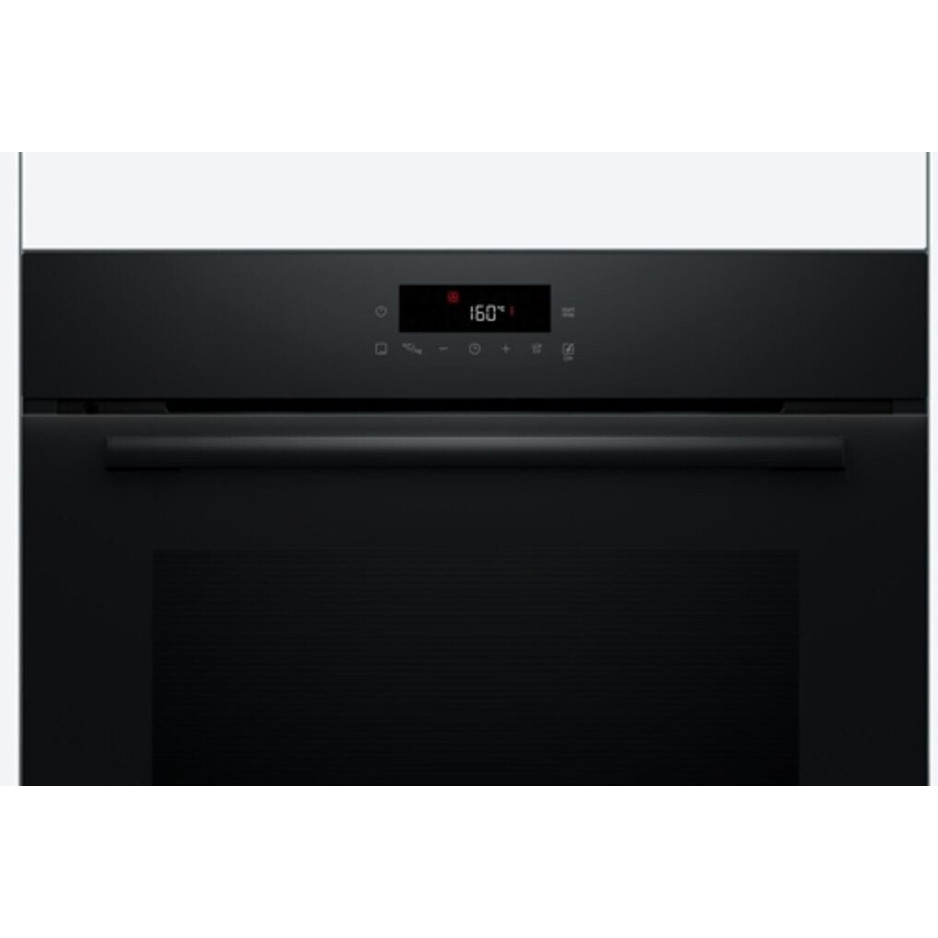
Understanding the Steam Oven Test: A Comprehensive Guide
Steam ovens are gaining traction in modern-day kitchen areas due to their ability to prepare food more equally while keeping wetness and nutrients. However, like any kitchen device, there are subtleties to how steam ovens work. The Steam Oven Test is a vital practice for anybody seeking to maximize the capacity of these versatile machines. This post will explore the Steam Oven Test, discussing its significance, providing a comprehensive overview of steam oven performance, detailing the benefits, and answering often asked concerns.
What is the Steam Oven Test?
The Steam Oven Test is an organized method to assess the performance of a steam oven, guaranteeing that it fulfills cooking requirements and delivers optimal outcomes. This test typically involves cooking different kinds of foods-- such as veggies, fish, and meats-- while keeping track of temperature level consistency, cooking time, and wetness retention.
Why is the Steam Oven Test Important?
- Performance Evaluation: Ensures the oven operates as advertised.
- Cooking Efficiency: Validates whether it cooks food equally and rapidly.
- Nutritional Benefits: Confirms that steam cooking keeps more nutrients compared to conventional approaches.
- User Experience: Assesses ease of usage and maintenance.
Parts of the Steam Oven Test
Carrying out a successful Steam Oven Test includes several elements and considerations. The following table lays out the crucial factors to keep in mind:
| Component | Description |
|---|---|
| Temperature Control | Display whether the steam oven preserves a consistent temperature for cooking. |
| Humidity Levels | Assess how well the oven keeps wetness and develops steam. |
| Cooking Time | Measure the actual cooking time compared to standard cooking approaches. |
| Food Quality | Examine the texture, flavor, and dietary worth of the prepared food. |
| User-Friendliness | Determine ease of operation, cleansing, and upkeep requirements. |
Steps to Conduct the Steam Oven Test
To completely assess the steam oven's performance, follow the steps listed below:
1. Prepare the Test Foods
Select a range of foods with various cooking times and moisture requirements, such as:
- Vegetables: Broccoli, carrots, and asparagus
- Fish: Salmon and whitefish
- Meat: Chicken breast and pork tenderloin
- Grains: Rice or quinoa
2. Set Up the Steam Oven
Ensure the steam oven is tidy and prepared for use. Acquaint yourself with the control panel and settings.
3. Conduct Temperature and Humidity Tests
- Preheat the oven.
- Place a thermometer in the oven to monitor temperature level stability.
- Use a humidity gauge to measure steam retention.
4. Cook Each Food Item
Prepare each type of food one by one, noting the following:
- Cooking time
- Temperature readings
- Steam levels (if your oven has a humidity sign)
5. Assess Food Quality
After cooking, taste and evaluate each item based on the following criteria:
- Texture (tender, crisp, etc)
- Flavor (any differences from standard cooking?)
- Nutritional content (search for retention of color and structure)
6. Evaluate Your Findings
Assemble the arise from your cooking tests in an extensive table or an easy summary to recognize your steam oven's strengths and weak points.
Advantages of Using a Steam Oven
The advantages of steam ovens extend beyond taste. Here's a substantial list of advantages:
- Moisture Retention: Steam avoids food from drying.
- Nutritional Value: Cooking with steam helps retain vitamins and minerals.
- Taste Retention: Foods prepared in a steam oven keep their taste and freshness.
- Flexibility: Ideal for preparing a variety of foods consisting of baking, roasting, and steaming.
- Energy Efficiency: Generally takes in less energy compared to conventional ovens.
- Less Oil Use: Requires little to no oil, making it a much healthier alternative.
- Easy Clean-Up: Steam assists loosen up food particles, streamlining cleansing.
The Limitations of Steam Ovens
Regardless of their lots of advantages, steam ovens do have restrictions:
- Learning Curve: New users might need time to adapt to cooking times and settings.
- Minimal Browning: Steam may not brown food along with conventional ovens.
- Preliminary Cost: Higher in advance investment compared to standard ovens.
- Space Requirements: Can consume more kitchen area area depending upon the model.
FREQUENTLY ASKED QUESTION: Steam Oven Test
Q1: Can I utilize any water in my steam oven?
A1: Yes, however it's best to utilize filtered water to prevent mineral accumulation and potential flavor contamination.
Q2: How long does the Steam Oven Test normally take?
A2: The test can take a few hours, depending on the variety of food products being checked and the setup time.
Q3: Is it necessary to pre-heat a steam oven?
A3: Most steam ovens do not need preheating, but some dishes may gain from it. Describe the producer's directions for specifics.
Q4: Can steam ovens replace traditional ovens totally?
A4: While steam ovens offer numerous advantages, they might not fully replace conventional ovens for all kinds of cooking, particularly for items needing browning or crispiness.
Q5: Are steam ovens appropriate for baking?
A5: Yes! Kochfeld Induktion Vergleich of steam ovens feature baking functions that enable excellent outcomes, including wet cakes and bread with a crispy crust.
The Steam Oven Test is an indispensable practice for comprehending your steam oven's abilities and restrictions. By thoroughly examining the results, one can take full advantage of the advantages of steam cooking, guaranteeing that meals are both flavorful and nutritious. With a proper understanding of how to use a steam oven effectively, people can elevate their cooking experience while enjoying healthier meals. Whether in a professional kitchen or at home, mastering the steam oven can be a game-changer.